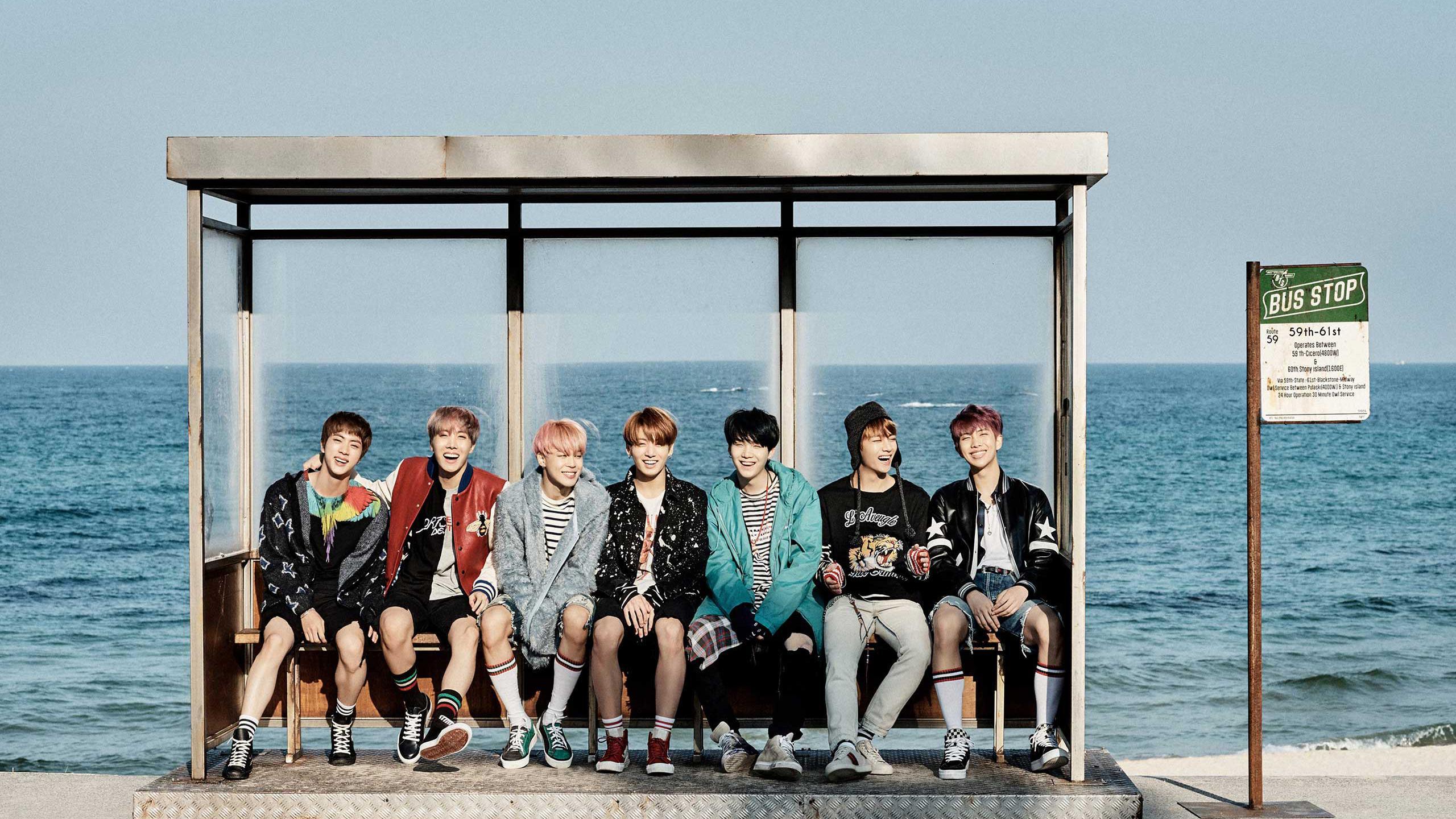
2013: BTS burst onto the scene like seven caffeine-fueled underdogs — RM, Jin, Suga, J-Hope, Jimin, V, and Jungkook — under Big Hit Entertainment. They debuted with a gritty, introspective hip-hop identity, shockingly honest lyrics about youth, school pressure, and mental health. Early years meant narrow budgets, intense training, and grind-hard hustle; they toured small venues and slowly built a devoted fanbase called ARMY, who came for the music and stayed for the authenticity.
2014–2015: The group honed their sound and storytelling. Albums like “Dark & Wild” and “The Most Beautiful Moment in Life” series drew attention for emotional depth and cinematic music videos. BTS started charting domestically and turning heads internationally, thanks to viral performances and relentless touring. Their lyrical themes matured, weaving social commentary with personal vulnerability — a fresh twist for mainstream K-pop.
2016–2017: Breakthrough years. “The Most Beautiful Moment in Life: Young Forever” and “Wings” amplified their global reach, while singles like “Blood Sweat & Tears” and “Spring Day” became anthems. BTS joined Billboard charts, sold out arenas overseas, and earned praise for intricate choreography and self-produced tracks.
2017’s “Love Yourself: Her” marked a shift toward pop accessibility and a message of self-acceptance that resonated worldwide.
2018: Global domination began in earnest. BTS released “Love Yourself: Tear,” topped the Billboard 200 — a watershed moment for K-pop. They delivered powerhouse stadium tours, iconic award show performances, and embraced roles as cultural ambassadors. The "Love Yourself" campaign even partnered with UNICEF to speak on loving yourself — yes, pop stars saving lives and grammar simultaneously.
2019: The “Map of the Soul: Persona” era expanded their Jungian-infused storytelling. BTS continued breaking sales and streaming records, including multiple Billboard Hot 100 entries. They appeared on late-night shows, collaborated with Western artists, and addressed the UN — proving you can wear sequins and give a TED Talk in the same week. Their fanbase, ARMY, grew into a global civic force, organizing charity drives and breaking streaming records like it was a competitive sport.
2020: A disruptive year — both globally and for BTS. The pandemic canceled tours, but they pivoted brilliantly to online concerts, virtual fanmeetings, and content that kept ARMY engaged. “Dynamite,” their first fully English single, exploded on charts, earning their first Grammy nomination and cementing mainstream pop crossover. They released “BE,” a pandemic-era album full of comfort and connective longing. BTS proved adaptability is their cardio.
2021: The members balanced solo projects, group work, and global responsibilities. “Butter” and “Permission to Dance” racked up massive streaming numbers and awards. They used their platform for social causes, continued UN engagements, and navigated mandatory South Korean military service discussions with transparency. Meanwhile, hints of solo artistry teased the depth of each member.
2022–2023: Transition and expansion. Several members enlisted for mandatory military service at staggered times, a first for a group at BTS’s scale, prompting creative scheduling and solo releases. During this period, members released acclaimed solo mixtapes and albums, showcasing diverse influences: hip-hop, R&B, indie, and electronic. ARMY supported solo careers fiercely while awaiting full-group activities. BTS as a brand diversified — fashion, philanthropy, and documentary content reinforced their cultural footprint.
2024: Reunion buzz and renewed momentum. As members completed service, BTS began teasing full-group projects again. They leveraged lessons from prior years: hybrid concerts, deeply personal songwriting, and savvy collaborations. Streaming numbers and tour presales reflected pent-up global demand. The group embraced a more mature, reflective tone in music, exploring legacy, growth, and the bittersweet nature of time — all while delivering the choreography and showmanship fans expect.
2025: A celebratory, reflective era. BTS balanced being global superstars with evolving individual artistry. Their collective releases blended big-stage pop with nuanced storytelling, and solo outputs continued to flourish. They made chart history, headlined global stadiums, and engaged in high-profile collaborations and philanthropic initiatives. Metrics? Multiple Billboard Hot 100 top tens, record-breaking tour revenues, and billions of streams — but the headline was always their cultural impact: normalizing mental health conversations, redefining fandom power, and bridging East-West pop industries.
Through 2013–2025, BTS’s journey is a masterclass in reinvention, persistence, and the power of authenticity. From scrappy rookies to worldwide icons, they never stopped writing, producing, and connecting. Their story isn’t just about awards and records; it’s about seven individuals growing up publicly with an army of fans who felt seen. If you measure success by influence and emotional resonance rather than trophy shelf space, BTS scored the kind of victory that charts don’t fully capture. In short: they started hopeful, got famous, got thoughtful, got inventive, took a breather to mature individually, and came back wiser — still hitting choreography, still making hearts ache and dance floors explode. And along the way, they taught the world that pop can be both cathartic and revolutionary, one hook (and one impeccably timed hair flip) at a time.